Advanced Social Skills · The Third Programme · Built on Your Blueprint

Which room would you walk into tomorrow, if you could walk into it well?

Being good with people is a skill, and a skill can be learned. Seven parts, 62 chapters, each rehearsed with James, then tried in your real week.

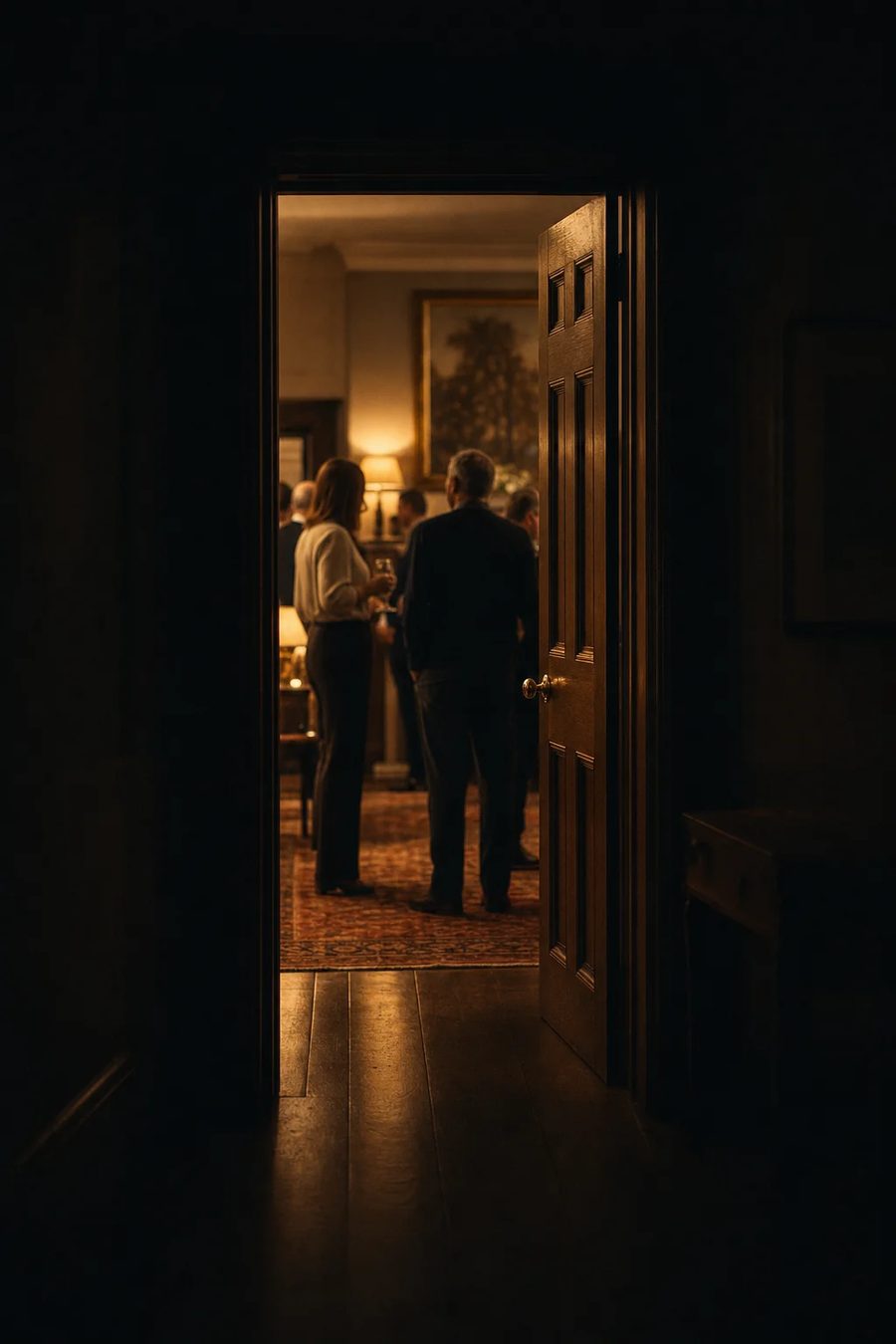
Seen from a dark hallway, an open panelled door gives onto a lamplit room where a man and a woman stand talking, their backs to us.
First you meet yourself (the Identity Blueprint). Then you learn to relate as him (Perfect Relationships). Then you take him into every room.
Is this you?

Most of the relationships you never had ended in the first minute.

A man seen from behind at the edge of a crowded, lamplit room, standing by the coat hooks in his overcoat, looking down at his phone.
The edges of a room are for coats.

You can run a meeting. Then, at a party: “So, busy week?” “Yeah. You?” “Yeah.” And two people who might have been friends wander off to find the crisps.

Coat on. Phone out.

Nobody stalls the car on a first driving lesson and concludes, “I’m just not a driving person.”


Before it, and with it

Walking in
BeforeThe one person you know, or the phone.
With itOne breath at the door, then hello to whoever is standing alone.
Small talk
Before“Good, thanks.” End of conversation.
With it“Good. I finally fixed the gate.” A thread to pull.
Your mates
Before“We must catch up some time.”
With it“Coffee on Thursday?” It goes in the diary.
Someone you love, wound up
BeforeYou offer a fix. They did not ask for a repair.
With it“Do you want me to listen, or to help?”
The woman you chose
Before“Look at that bird.” You don’t look up.
With itYou look up. The bird was never about the bird.
The conversation you’ve been putting off
BeforeForty rehearsals in the shower. None with them in the room.
With itOne clean first sentence, said to the person it is for.
The same man in his overcoat, seen from behind, walking into a ring of guests as one of them turns and holds out an open hand.
People remember, for a very long time, who made room for them.

Rooms get bigger. There are more doors in them. And somewhere along the way you work out what to do with your hands.


A social skill is what you do, in front of another person, so that what you meant is what landed.

You made a joke and the room went quiet enough to hear the fridge. Nothing was wrong with what you meant. The delivery let you down.

Four moves, in this order.

  1. Steady yourself.Your own state, before anyone else’s.
  2. Read them.What is actually happening in the person in front of you.
  3. Say it.Clearly, warmly, in a way they can take in.
  4. Repair it.The best at this are the quickest to put it right.

Some of the best company you will ever keep is quiet, dry and slow to speak. The aim here is you, with better delivery.


Seven parts. 62 chapters.

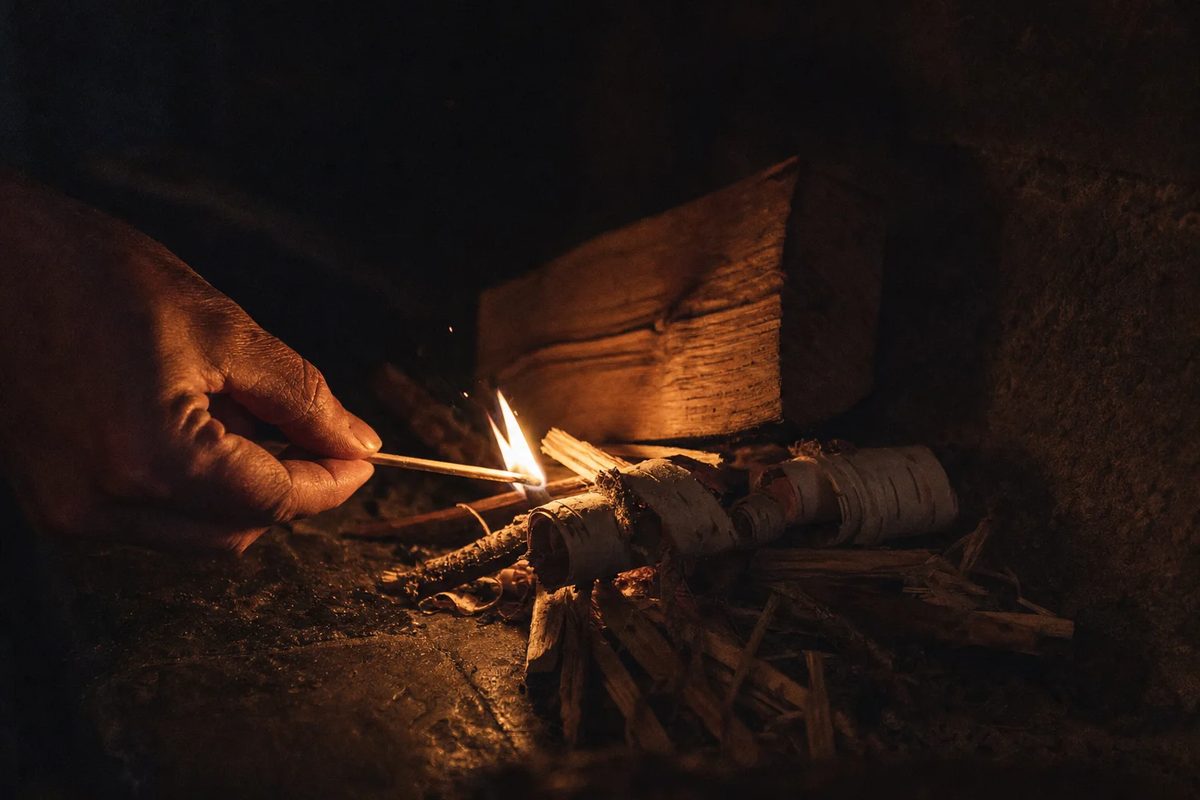
A man's hand holding a lit match to birch bark and dry kindling, a split log waiting behind it.
Part One · Chapters 1–6

The First Minute

Small talk is the kindling. Say you hate it and you are holding a match to a log and blaming the log.

You’ll be able to
  • Walk into any room as its host
  • Open with an ordinary line
  • Turn a flat answer into a conversation
  • Leave warmly, in about ten seconds

The best news comes first: people like you more than you think.

A wooden yacht propped on stands in a dim boatyard shed, its heavy keel exposed beneath the hull.
Part Two · Chapters 7–14

Steady

A boat holds its course because of its keel, the heavy part under the water that nobody sees. This part builds yours.

You’ll be able to
  • Turn your attention outward, and quieten the commentary in your head
  • Slow yourself with one breath out, unnoticed
  • Set the temperature of a tense room
  • Hold a silence without flinching
A vast dusk sky, storm cloud on one side and low gold light on the other, with one small figure standing on a rise of open moor.
Part Three · Chapters 15–23

Read

A forecaster does not look at one cloud and announce a storm. The rule here: notice, guess, check.

You’ll be able to
  • Spot the moment something changes in someone
  • Tell if they are more at ease, or less
  • Hear what is under “I’m fine”
  • Read a meeting before anyone speaks
Two friends in overcoats, seen from behind, walking in step down a tree-lined path in low evening light.
Part Four · Chapters 24–31

Connect

Two friends out walking fall into step within a minute, without deciding to.

You’ll be able to
  • Settle someone you love without fixing anything
  • Listen so that people feel heard
  • Say one true thing about yourself
  • Make a friend on purpose, and write to an old one

Adult friendship is made mostly of hours: by one count, more than 200 for a close friend. Hours can be arranged.

A log fire burning in a brick hearth, two cut-glass tumblers on the table in front of it.
Part Five · Chapters 32–48

Attract

Flirting is one of the most enjoyable things two adults can do with their clothes on. It belongs to you whether you are single or twenty years married.

No lines, no tricks. Everything is by invitation, and a no is a complete answer.

You’ll be able to
  • Spark: show interest so that it is seen
  • Warmth: say the true thing plainly
  • Flame: offer closeness, and take a no well
  • Hearth: court the woman you already chose

In one study of newly-weds, those still together six years on had turned towards small bids for attention, like “Look at that bird”, 86 per cent of the time. Those who had parted, 33.

A small wooden yacht heeled hard over in a dark sea, sailing towards a band of gold light on the horizon.
Part Six · Chapters 49–56

Under Pressure

Nobody needs a keel on a flat calm. This is the weather it was built for.

You’ll be able to
  • Ask for what you want in one sentence
  • Open the conversation you have rehearsed forty times
  • Hear criticism out before the reply loads
  • Apologise with no “but” in it
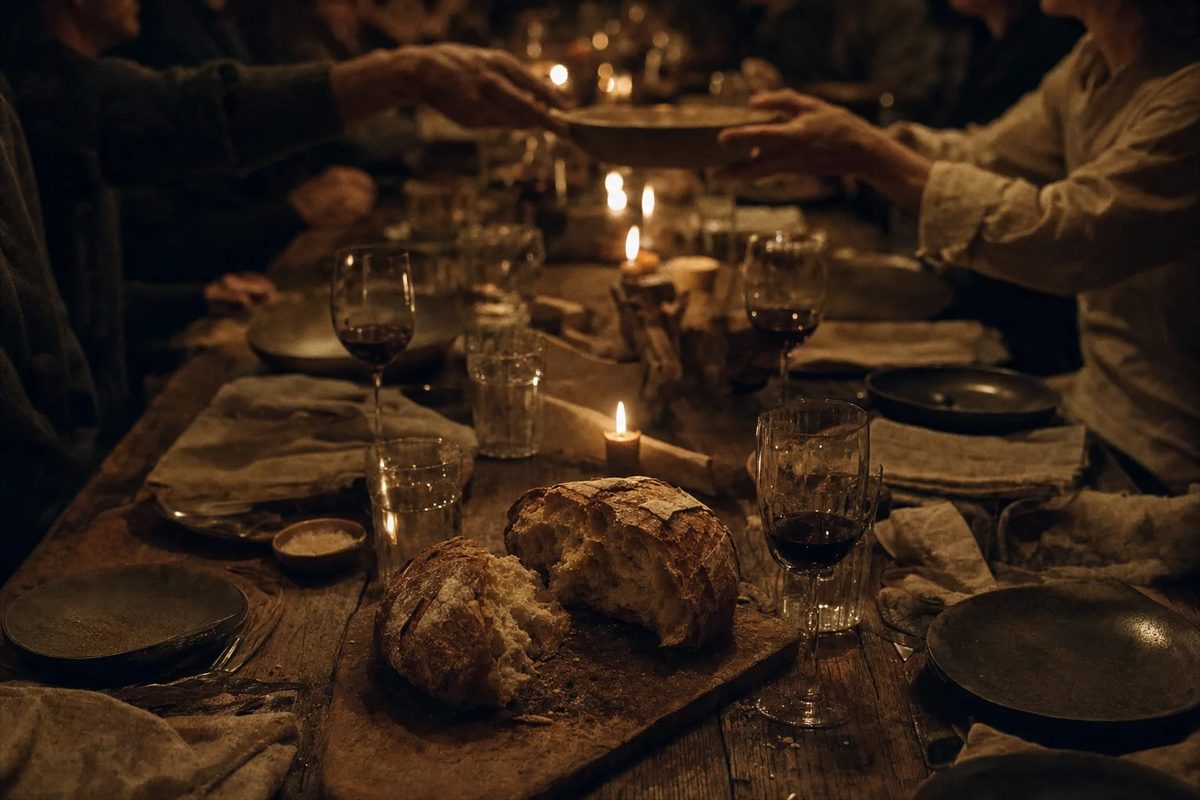
A long candlelit table: a torn loaf on a board in the foreground, hands passing a dish across.
Part Seven · Chapters 57–62

In the World

A companion is someone you share bread with. This part puts it all to work where you spend your days.

You’ll be able to
  • Step into a group that is already talking
  • Speak early in a meeting, and land one point
  • Hear when the quiet in a room is not agreement
  • Map the people you want close

The reading is the map. The reps are what build the skill.

Every chapter, the same five steps.

  1. Learn it.The idea, in plain words.
  2. Own it.Honest questions about how you do this now.
  3. Rehearse it.With James first. Often he plays the other person.
  4. Live it.One small rep in your real week.
  5. Embed it.Tell James what happened.

James first, every time. Nothing goes into a real room cold.


What it isn’t

It isn’t mind reading. Nobody can do that, and anyone who says they can is selling a course. And it won’t turn you into a technician who holds eye contact for the correct number of seconds.

One test travels with you through every chapter:

Would you be comfortable if they knew exactly what you were doing, and why?

Chapter 56 turns the test round, for when these skills are being used on you.


The larger change is in the people around you.

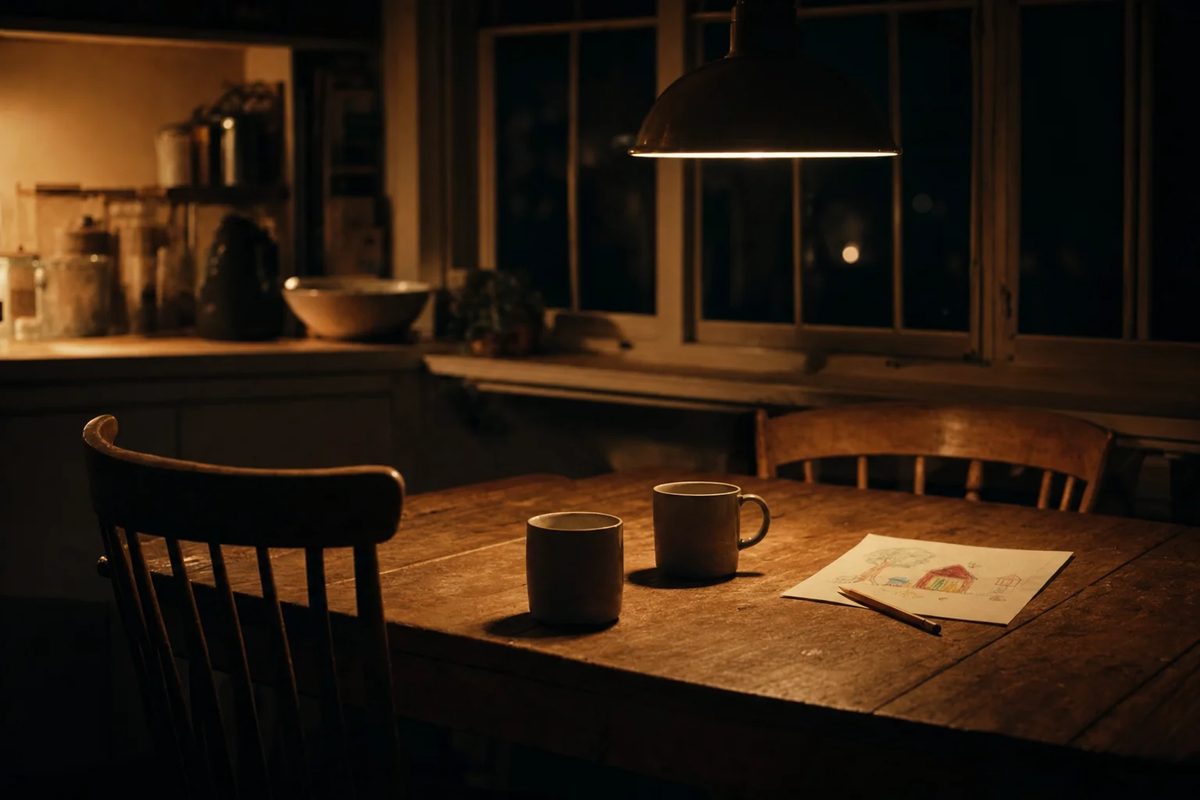
A kitchen table at home at night under one lamp: two mugs, and a child's crayon drawing of a house.
You will never hear about most of it.

People learn how to treat each other mostly by watching someone do it well.

At your table, in your home, in the place you work, somebody is watching you. They are learning how to listen, how to disagree, how to say sorry and how to make a stranger welcome, and they are learning it from you.

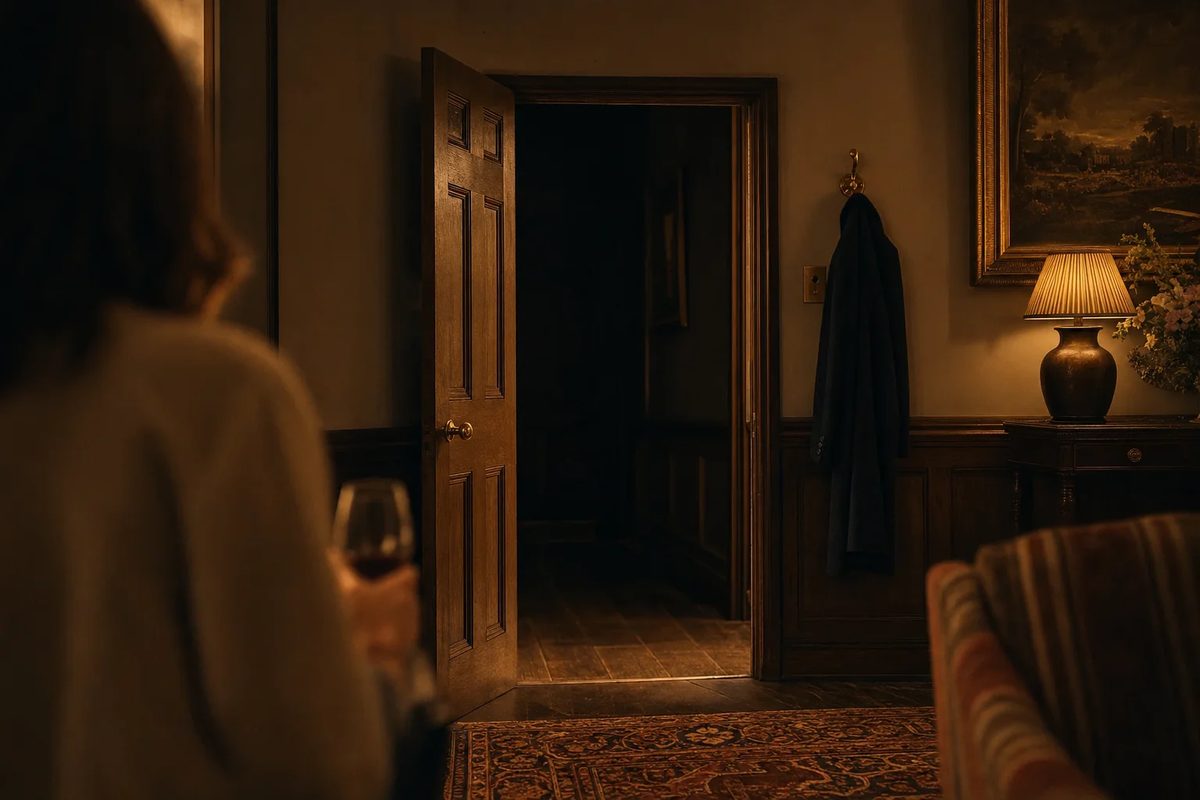
The same door seen from inside the lit room: an overcoat on the hook beside it, and a guest with a glass of wine in the near foreground, seen from behind.
You do not need the room’s permission.

If a room came to mind at the top of this page, keep it.

Before Part One, James asks you the same question. The answer is where this programme is taking you.

It opens with James once Perfect Relationships is complete.

AUD $1,497
  • Includes three months in the Keep, with James.
  • Nothing is added at payment.

Not in the work yet? It starts with the Identity Blueprint.

Start with the Identity Blueprint

The programme’s last line, about that room:

“It has not changed. You have. Go and walk into it.”

Control Yourself · Master Your Patterns · Find Freedom · Earn Peace.